High performance engineering chains are critical components in modern machinery, driving efficiency, reliability, and durability across a wide range of industrial applications. Selecting the right chain can significantly impact performance, energy consumption, and maintenance costs. For engineers, facility managers, and procurement professionals, understanding the key factors to consider when purchasing high performance engineering chains ensures that systems operate smoothly, safely, and cost-effectively. By evaluating design, material, load requirements, and environmental conditions, businesses can make informed decisions that maximize operational performance.
Understanding the Application Requirements
The first and most crucial factor when purchasing high performance engineering chains is understanding the specific application requirements. Chains are not one-size-fits-all, and each system has unique demands related to load capacity, speed, and environmental exposure. Identifying these needs ensures that the selected chain can handle the operational stresses it will encounter.
Load capacity is a fundamental consideration. Chains must support both static and dynamic loads without excessive wear or elongation. For systems with heavy-duty requirements, such as conveyors, industrial presses, or automotive assembly lines, chains with reinforced links and high tensile strength are essential. In contrast, lighter applications may benefit from chains designed for reduced friction and energy efficiency.
Chain speed and motion type also influence selection. High-speed systems require chains with precise tolerances and smooth operation to prevent vibration, energy loss, and premature wear. Conversely, slower-moving equipment may prioritize durability and resistance to environmental factors over speed. Understanding these operational parameters is critical when evaluating high performance engineering chains to ensure that they meet the system’s performance and longevity expectations.
Material and Design Considerations
Material selection and chain design are key factors when purchasing high performance engineering chains. Chains must withstand mechanical stress, temperature variations, corrosion, and wear over time. Common materials include alloy steels, stainless steels, and specially treated metals that enhance durability and reduce friction.
Alloy steels are often chosen for their high strength and fatigue resistance, making them suitable for heavy-duty industrial applications. Stainless steel chains provide corrosion resistance, which is essential in environments exposed to moisture, chemicals, or extreme temperatures. Surface treatments such as hardening, coating, or lubrication-impregnated finishes can further enhance performance, reduce maintenance, and extend service life.
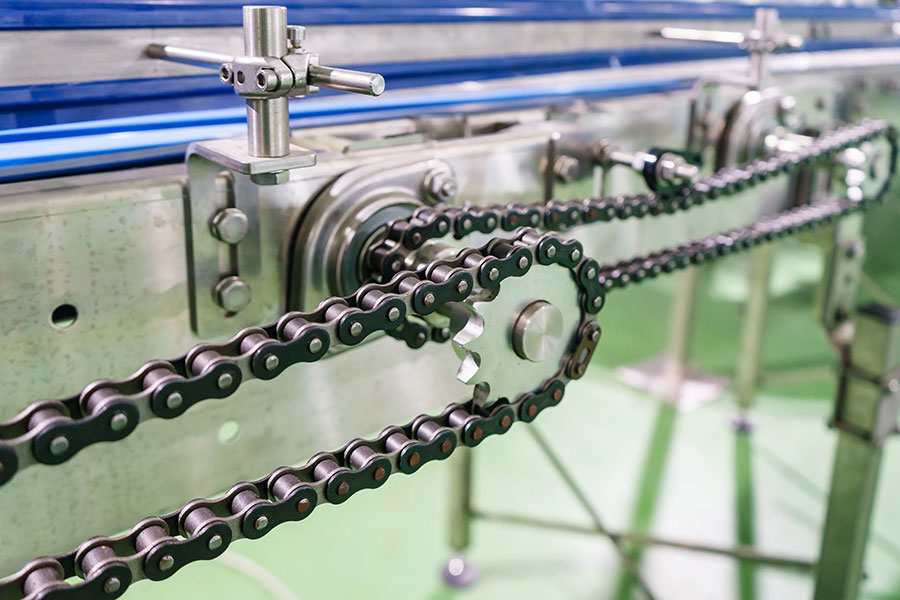
Design considerations include link geometry, roller type, and overall chain configuration. Precision-engineered chains with uniform link dimensions reduce vibration, improve energy transfer, and maintain consistent motion under load. Some high performance engineering chains also feature specialized rollers or bushings that minimize friction and wear, further supporting long-term efficiency. By considering both material and design, buyers can select chains that balance durability, energy efficiency, and maintenance requirements.
Environmental and Operational Factors
Environmental and operational conditions play a significant role in determining which high performance engineering chains are most suitable. Exposure to extreme temperatures, abrasive particles, moisture, or corrosive substances can impact chain performance and longevity. Selecting chains designed to withstand these conditions is essential for maintaining system reliability.
For outdoor applications or systems exposed to chemicals, corrosion-resistant chains or those with protective coatings can prevent premature failure. In high-temperature environments, heat-treated or specialized alloy chains maintain strength and resist elongation. Similarly, in dusty or particulate-laden environments, chains with sealed components or self-lubricating features reduce wear and minimize maintenance needs.
Operational factors such as expected maintenance schedules, lubrication practices, and intended service life also influence the selection process. Chains that require minimal maintenance or are compatible with automated lubrication systems are particularly valuable in industrial settings where downtime can be costly. By considering both environmental and operational factors, businesses can choose high performance engineering chains that deliver reliable performance under the specific conditions of their system.
Additional Considerations for Long-Term Performance
Beyond application, material, and environmental factors, several additional considerations can enhance the value of high performance engineering chains. Manufacturer reputation, availability of replacement parts, and compatibility with existing systems are critical elements to evaluate. Choosing chains from reputable manufacturers ensures quality, adherence to industry standards, and access to technical support when needed.
Proper installation is also essential. Even the highest-quality chain will underperform if installed incorrectly. Following manufacturer guidelines, maintaining proper tension, and ensuring alignment with sprockets and other system components are critical for achieving optimal performance. Regular inspection and maintenance, including lubrication and monitoring for wear, ensure that high performance engineering chains continue to operate efficiently and reliably.
Energy efficiency is another increasingly important factor. Chains with low-friction designs and precise tolerances reduce power consumption and improve system efficiency. In applications where energy costs are a major concern, selecting chains that optimize energy transfer can deliver significant long-term savings.
Purchasing high performance engineering chains requires careful evaluation of multiple factors. Understanding the application requirements, including load, speed, and motion type, ensures that the chain can meet operational demands. Material and design considerations, including strength, corrosion resistance, and low-friction components, influence durability and performance. Environmental and operational factors, such as temperature, exposure to chemicals, and maintenance schedules, determine the chain’s suitability for specific conditions.

Beau Alexander is an experienced administrator known for his exceptional organizational skills and keen attention to detail. With a strong background in team leadership and project management, Beau excels at streamlining operations and enhancing productivity. His proactive approach ensures efficient problem-solving and seamless coordination across departments. Beau’s personable nature and excellent communication skills make him adept at building strong relationships with both colleagues and stakeholders. Dedicated to fostering a positive work environment, he consistently drives initiatives that promote growth and innovation.