High-volume clinical testing facilities managing infectious disease surveillance face complex reagent evaluation challenges during routine diagnostic upgrades. Differentiating clinically overlapping exanthematous viral illnesses requires robust multiplex molecular assays that deliver rapid, definitive results.
Laboratory directors must balance high sample throughput with exceptional analytical sensitivity to prevent misdiagnoses during active viral circulation cycles. Establishing a rigorous selection protocol ensures that procurement teams invest in diagnostic platforms capable of scaling seamlessly with institutional workloads.
Furthermore, laboratory managers must consider workflow integration, personnel training overhead, and long-term budgetary sustainability when reviewing potential assay options. Selecting optimal diagnostic reagents prevents costly workflow bottlenecks and ensures compliance with regional public health reporting mandates.
Analyzing Multiplexing Capabilities and Pathogen Differentiation Demands
Exanthematous presentations caused by multiple respiratory and rash-inducing viruses create significant diagnostic hurdles for clinical triage teams. Differentiating between infections that share early clinical manifestations requires advanced multiplexing architecture built into contemporary molecular testing kits.
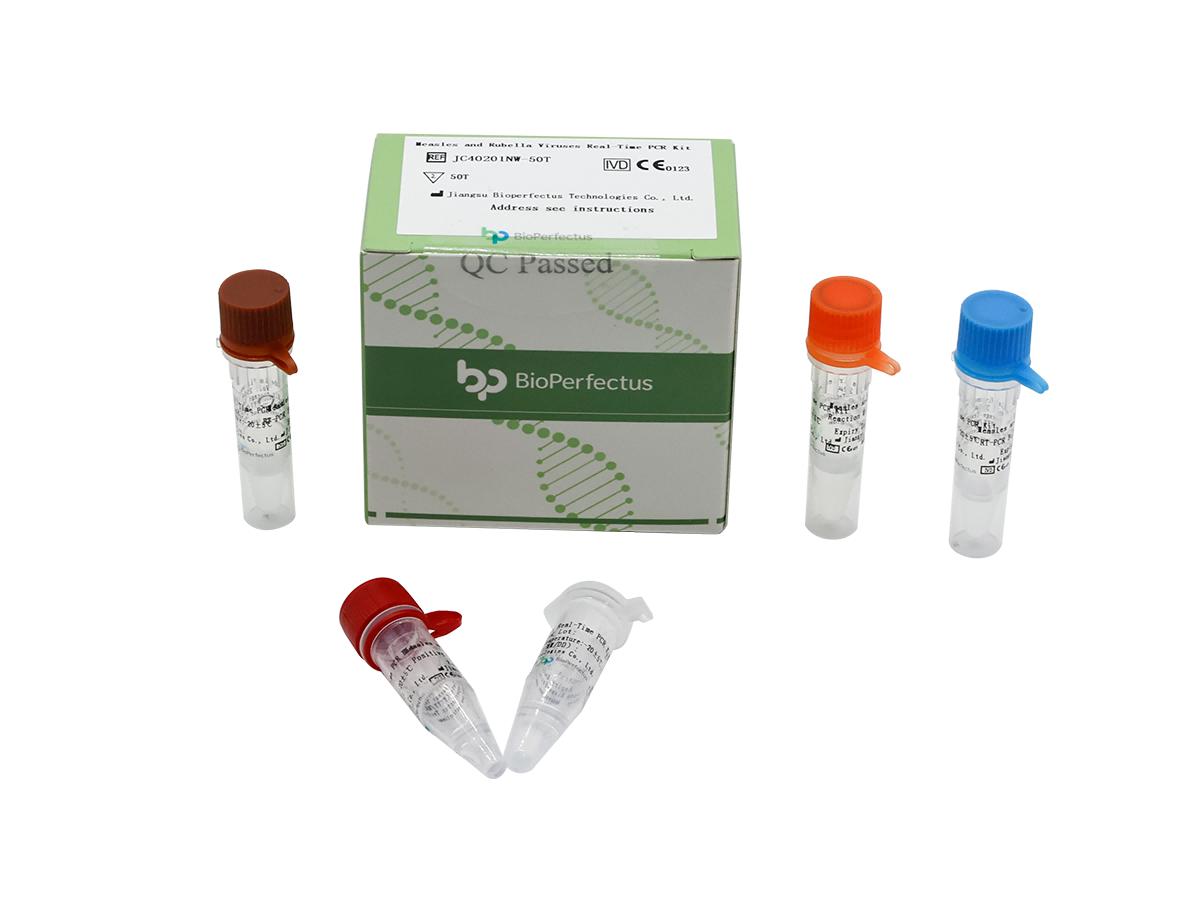
A sophisticated Measles & Rubella Test Kit enables simultaneous detection and differentiation of viral nucleic acids from a single specimen input. Multiplexing reduces reagent consumption while maximizing clinical data output per analytical run for busy reference laboratories.
Targeting specific viral genes ensures precise identification without cross-reactivity risks among related pathogens circulating within communities. The assay focuses on the N gene of the measles virus and the E1 gene of the rubella virus simultaneously.
Diagnostic laboratories processing complex case loads rely on such dual-target capability to streamline differential diagnosis workflows effectively. Consolidating testing targets eliminates redundant sample processing and accelerates clinical reporting timelines across hospital departments.
Additionally, utilizing multi-pathogen screening formats minimizes patient discomfort by reducing the total volume of clinical specimen required for comprehensive infectious disease panels. Modern clinical laboratories benefit immensely from streamlined workflows that replace sequential single-target assays with unified multiplex testing solutions.
Evaluating Clinical Sensitivity and Limit of Detection Parameters
Diagnostic accuracy in reference laboratories depends heavily on analytical sensitivity metrics and low limits of detection thresholds. Low viral loads during early infection stages demand exceptionally sensitive assays to prevent false-negative outcomes in vulnerable patients.
Modern assays achieve remarkable clinical sensitivity reaching one hundred percent alongside clinical specificity exceeding ninety-nine percent. High specificity values eliminate false positives, protecting patients from unnecessary isolation or flawed epidemiological tracking data.
Evaluating analytical sensitivity requires examining the minimum concentration detectable by multiplex molecular systems reliably under standard laboratory conditions. When choosing a reliable rubella PCR kit, clinical laboratories should evaluate these analytical parameters against expected patient viral loads.
The target assay demonstrates a robust limit of detection at twenty tissue culture infectious dose fifty per milliliter for specific viral strains. BioPerfectus provides precise engineering parameters that support reliable detection even when patient viral titers remain exceptionally low.
Clinical validation data confirms that high-performing amplification kits maintain exceptional reproducibility across independent testing sites and operator skill levels. Ensuring consistent analytical performance reduces the likelihood of repeat testing and lowers overall operational expenditure.
Integrating Internal Controls and Standardizing Workflow Efficiency
Maintaining quality control across massive daily sample batches requires reliable internal monitoring mechanisms embedded directly within amplification reagents. Incorporating ribonuclease P as an internal control monitors extraction efficiency and flags potential RT-PCR inhibition issues.
Whole-process monitoring safeguards diagnostic validity by confirming sample integrity from initial lysis through final fluorescence detection. Reference laboratory personnel depend on these built-in quality checkpoints to verify assay performance automatically during routine runs.
High-throughput clinical facilities demand rapid turnaround times to manage heavy diagnostic backlogs during seasonal infection surges. Processing ninety-six specimens in one hundred nine minutes ensures that reference laboratories meet urgent reporting deadlines comfortably.
Standardized sample input volumes of five microliters minimize manual pipetting errors and streamline operator training requirements across shifts. Optimized thermal cycling protocols reduce hands-on preparation time without compromising amplification kinetics or signal resolution.
Robust internal controls provide an added layer of safety by detecting false negatives caused by reagent degradation or improper sample collection techniques. Integrating these safeguards protects clinical integrity and reinforces confidence in reported diagnostic outcomes.
Furthermore, laboratories utilizing a Measles & Rubella Test Kit benefit from standardized procedures that simplify multi-site clinical evaluations.
Assessing Instrument Compatibility and Reagent Scalability
Laboratory infrastructure diversity dictates that newly procured molecular reagents must interface smoothly with existing thermal cycler inventory. Open-system compatibility allows reference facilities to run diagnostic assays on widely established real-time PCR instruments without expensive hardware upgrades.
Scalable reagent packaging configurations support laboratories experiencing fluctuating testing volumes throughout the calendar year. Flexible procurement models prevent reagent wastage while accommodating sudden spikes in regional testing demand.
BioPerfectus designs flexible diagnostic consumables that integrate effortlessly into existing laboratory automation networks worldwide. Evaluating reagent stability and storage requirements ensures that bulk purchases maintain chemical integrity over extended shelf-life periods.
Technical support networks provided by manufacturers help laboratory technicians troubleshoot unexpected amplification anomalies promptly. Seamless instrument integration ultimately preserves operational momentum and protects capital investment value over time.
Laboratories transitioning to advanced automation benefit greatly from kits featuring intuitive preparation protocols and pre-mixed master mixes that minimize technical variability. Streamlining reagent preparation steps enhances laboratory safety and accelerates daily sample throughput.
Ensuring Regulatory Compliance for Diagnostic Excellence
Navigating stringent international medical device regulations remains a mandatory prerequisite for clinical laboratories acquiring commercial molecular test kits. CE-IVDR certification provides institutional buyers with legal and clinical assurance regarding product safety and analytical performance standards.
Regulatory compliance guarantees that diagnostic kits adhere to rigorous manufacturing quality controls and post-market surveillance protocols. Quality-verified reagents protect public health agencies by delivering reproducible results across diverse healthcare systems.
Selecting Validated Kits and Trusted Partners
Selecting a reliable rubella PCR kit involves careful review of validation data, regulatory documentation, and batch reproducibility metrics. Clinical laboratories must partner with trusted manufacturers committed to continuous technological innovation and strict quality assurance frameworks.
BioPerfectus supports global healthcare providers by supplying certified molecular diagnostics designed for reliable infectious disease management. Strategic investments in validated testing kits secure long-term diagnostic precision and elevate institutional public health readiness.
Ultimately, forward-looking diagnostic strategies rely on continuous technological refinement and robust supply chain partnerships to address emerging public health challenges effectively. Investing in superior molecular assays safeguards community health and strengthens regional outbreak response capabilities.