Plastic components are now widely used in automotive systems, electronic devices, appliances, construction materials, and industrial products. Their lightweight structure and design flexibility make them suitable for many applications, but sealing plastic surfaces creates a unique challenge.
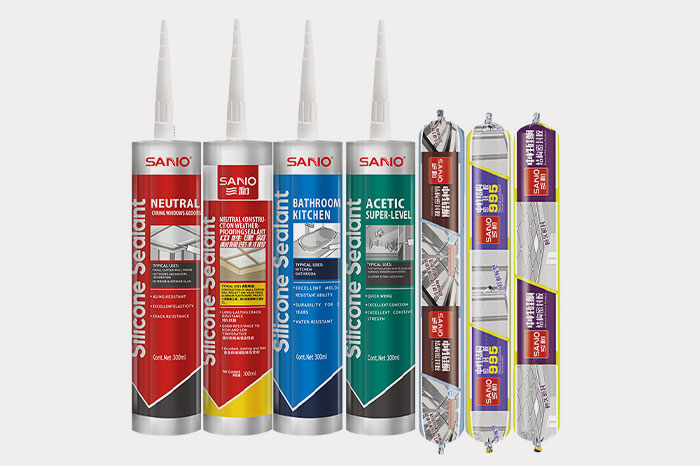
Many users search for whether silicone can bond with plastic because not every sealant provides reliable performance on plastic substrates. Differences in surface energy, material flexibility, and long-term movement can affect whether a seal remains effective.
As a silicone sealant manufacturer, SANVO focuses on developing solutions that address these practical challenges. Professional-grade silicone sealants are designed not only to create a connection with plastic surfaces but also to maintain sealing performance when the material experiences environmental and mechanical changes.
Why Plastic Applications Need More Than Basic Sealing
Plastic surfaces often behave differently from traditional sealing materials such as glass or metal. Their chemical structure, surface characteristics, and flexibility can influence how well a sealant performs.
A sealant that appears to adhere well during initial application may not provide reliable protection after months or years of service. Temperature changes, vibration, moisture exposure, and material movement can gradually affect the connection between the sealant and plastic surface.
Professional-grade silicone sealants are developed to address these conditions. Their value comes from maintaining a stable seal under changing environments rather than simply creating immediate adhesion.
For engineers and product manufacturers, the main concern is not only whether silicone can stick to plastic, but whether the bond can remain functional throughout the expected service period.
Maintaining Seal Performance When Plastic Parts Move
One of the biggest advantages of silicone sealants on plastics is their ability to accommodate movement.
Plastic materials often expand and contract when temperatures change. Different plastic components may also experience slight deformation during operation or transportation.
A rigid sealing material may struggle to follow these movements and eventually develop cracks or separation. Silicone sealants provide elasticity after curing, allowing the seal to move with the plastic substrate.
This flexibility is especially valuable in applications such as automotive plastic assemblies, outdoor equipment housings, and electronic enclosures where continuous movement or vibration may occur.
The ability to maintain contact during movement helps improve the durability of the entire assembly.
Protecting Plastic Components From Moisture and Environmental Exposure
Many plastic parts require sealing because they contain sensitive internal components or need protection from external conditions.
In outdoor applications, plastic assemblies may be exposed to rain, humidity, ultraviolet radiation, and temperature fluctuations. In electronic or industrial applications, moisture and contaminants can affect internal performance.
A professional silicone sealant creates a protective barrier around joints and connection points. This helps reduce the possibility of water penetration and environmental damage.
The benefit is not limited to preventing leaks. A stable seal can also help protect the surrounding structure by reducing exposure to conditions that may accelerate material degradation.
Supporting Complex Plastic Designs and Modern Manufacturing Needs
Plastic products are increasingly designed with complex shapes, lightweight structures, and integrated components. These designs often require sealing materials that can adapt to different assembly requirements.
Professional-grade silicone sealants can be applied across various joint designs because of their flexibility and gap-filling ability.
For manufacturers, a flexible sealant can complement mechanical fasteners by sealing gaps and accommodating movement at the joint.
In industries such as automotive and electronics, where compact designs are common, a flexible sealing solution can help improve product reliability without adding unnecessary weight or complexity.
Improving Reliability in Long-Service Applications
One important advantage of professional-grade silicone sealants is often seen over time. A sealing material must continue performing after repeated exposure to operating conditions.
Poor seal performance can lead to issues such as moisture intrusion, component damage, noise problems, or repeated repair requirements.
Professional formulations are designed with long-term stability in mind. Their resistance to aging, temperature variation, and environmental exposure helps maintain sealing performance throughout the product lifecycle.
For applications where maintenance is difficult or replacement costs are high, choosing a reliable silicone sealant can significantly improve overall product dependability.
Understanding Whether Silicone Can Stick to Plastic
The question “can silicone stick to plastic” does not have a universal answer because plastic materials vary significantly.
Some plastics provide better bonding conditions, while others have low surface energy that makes adhesion more difficult. Surface contamination, manufacturing residues, and surface treatments can also influence bonding results.
The silicone formulation itself plays an important role. Professional-grade products may include technologies that improve interaction between the sealant and specific plastic substrates.
Before large-scale use, manufacturers and engineers should consider the plastic type, application environment, and required performance level to affect whether the selected silicone sealant is suitable.
Why Professional-Grade Silicone Sealants Provide Better Value
Choosing a professional-grade silicone sealant is not only about achieving stronger initial bonding. The real advantage comes from consistent performance across different conditions.
Compared with general sealing products, professional solutions are developed with greater attention to material compatibility, durability, and application requirements.
For businesses producing plastic components, this can help reduce quality issues caused by seal failure and improve confidence in the final product.
Conclusion
Professional-grade silicone sealants offer important benefits for plastic applications, including movement resistance, environmental protection, design flexibility, and long-term sealing reliability.
Plastic sealing applications require formulations that account for substrate behavior and environmental demands—a requirement SANVO addresses through its development approach.
The ability of silicone to stick to plastic depends on material compatibility and product selection. With the right silicone sealant, plastic assemblies can achieve durable sealing performance and improved protection throughout their service life.