Corporate sustainability goals increasingly extend beyond direct emissions from company facilities. Businesses are also looking for practical ways to reduce electricity-related emissions, increase renewable energy use, and improve the resilience of their power supply. Utility energy storage can contribute to these objectives by shifting electricity across time and helping organizations make better use of renewable generation.
For companies developing measurable ESG strategies, battery storage should be evaluated as part of a broader energy management plan. Its value depends on how effectively the system connects renewable generation, electricity demand, grid conditions, and corporate sustainability targets.
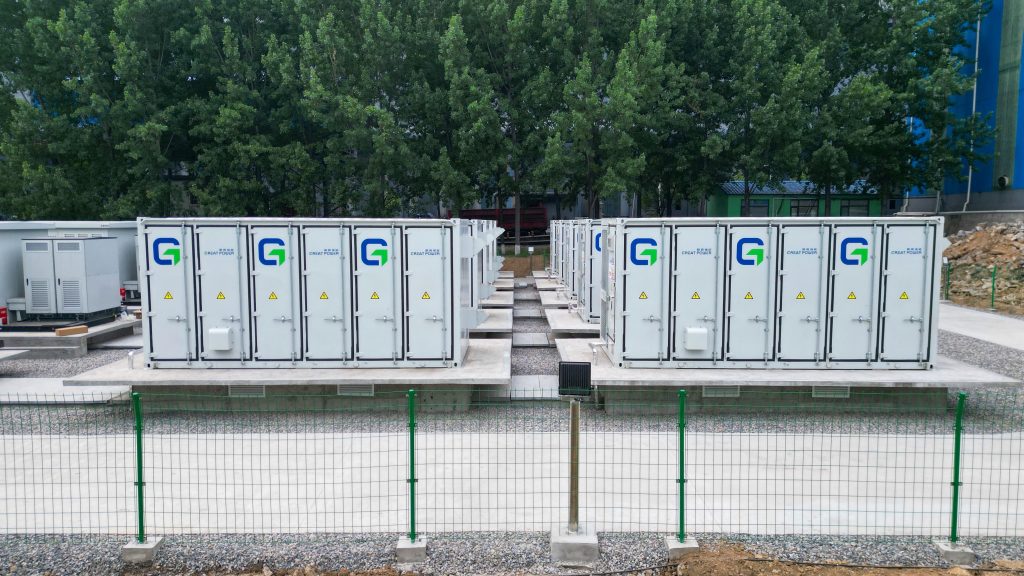
Connecting Energy Storage With Corporate ESG
ESG strategies increasingly require measurable sustainability results, making energy management an important part of reducing operational carbon footprints.
An energy storage container can store renewable or lower-carbon electricity and release it during periods of higher demand, improving renewable energy utilization. However, storage does not automatically make electricity carbon-free. Its ESG impact depends on charging sources, operating schedules, efficiency, and the wider power mix.
Increase the Value of On-Site Renewable Generation
Companies with solar or wind systems may generate surplus electricity when demand is low. Utility energy storage can store this excess power and release it later, helping commercial facilities better match renewable generation with consumption.
The same approach supports larger renewable projects. The International Energy Agency recognizes battery storage as an important flexibility resource for integrating variable renewable energy and balancing supply and demand.
Reduce Electricity-Related Carbon Emissions
The timing of electricity consumption can affect its environmental impact. Grid electricity may have different emissions characteristics depending on the generation resources operating at a particular time.
Battery storage gives businesses an additional mechanism for managing when electricity is consumed. Where renewable electricity is available, storage can capture it for later use. Where grid conditions or electricity prices make direct consumption less attractive, stored energy can support selected loads.
Companies should measure these effects using transparent accounting boundaries. Charging sources, discharge schedules, round-trip losses, and renewable energy certificates should be considered separately to avoid overstating the carbon benefits of storage.
Support Energy Efficiency and Peak Management
ESG goals can support operational efficiency by addressing periods of high electricity demand. Energy storage can discharge during peak periods to reduce grid consumption and complement measures such as equipment upgrades and demand response.
For utility energy storage projects, evaluating financial and environmental benefits together can show how peak demand reduction and greater renewable utilization support both cost savings and sustainability goals.
Choose the Right Energy Storage Architecture
An energy storage container should be selected according to the company’s actual energy profile rather than ESG objectives alone. Developers should evaluate required power, usable energy, charging duration, discharge duration, cycling frequency, site conditions, and grid connection requirements.
The Max 6250, for example, uses self-developed Ultra 588Ah battery cells and a high-safety liquid-cooled PACK. Its design incorporates a six-level safety protection system for liquid-cooled energy storage cabinets, providing a containerized configuration for large-scale storage applications.
Improve Renewable Energy Utilization
Storage can be particularly useful when a company has ambitious renewable electricity targets but faces a mismatch between generation and consumption. Solar generation, for example, can peak during the middle of the day while some facilities have higher electricity requirements later.
An energy storage container can help shift part of that renewable generation toward periods when it is more useful. This can improve self-consumption and reduce reliance on electricity purchased from the grid during selected periods.
The actual benefit depends on the site’s load profile. Companies should therefore model hourly generation and consumption before deciding on storage capacity instead of sizing the system solely from annual electricity consumption.
Measure ESG Performance With Clear Metrics
Installing storage is only the first step. Companies should track metrics such as renewable energy self-consumption, peak demand reduction, storage efficiency, grid electricity use, system availability, and avoided emissions.
Carbon reporting should distinguish direct emissions, purchased electricity emissions, and renewable energy instruments. Clear measurement improves ESG reporting and helps compare storage with other decarbonization investments.
Consider Lifecycle Sustainability
Corporate sustainability assessments should also consider the battery system itself. Procurement teams should examine expected service life, efficiency, maintenance requirements, degradation, safety, and end-of-life planning.
Great Power states that its energy storage products cover cells, packs, racks, cabinets, and containers for residential, C&I, and utility-scale applications. Its quality system includes ISO9001, ISO14001, ISO45001:2018, and IATF16949 certifications across manufacturing facilities.
These factors can help companies evaluate storage from a lifecycle perspective instead of focusing only on the emissions avoided during daily operation.
How Great Power Supports Corporate Energy Goals
Great Power’s storage portfolio covers utility-scale, C&I, residential, and other applications, with products deployed across more than 50 countries and areas. The company also reports more than 300,000 sets of energy storage products installed, providing experience across different energy storage scenarios.
Its large-scale portfolio gives project developers several system configurations to evaluate according to capacity, efficiency, safety, integration, and operating requirements. This allows corporate energy teams to approach ESG planning through practical energy management rather than treating sustainability and electricity infrastructure as separate initiatives.
Conclusion
Utility energy storage can support corporate ESG and carbon goals by increasing renewable energy utilization, shifting electricity consumption, managing peak demand, and improving energy resilience. However, the benefits depend on how the system is charged, operated, measured, and integrated with the company’s wider energy strategy.
For businesses considering an energy container, the strongest approach is to connect storage performance with measurable sustainability objectives. By combining accurate carbon accounting, renewable generation, intelligent energy management, and appropriately sized battery systems, companies can turn ESG ambitions into practical improvements in how electricity is generated, stored, and consumed.

Beau Alexander is an experienced administrator known for his exceptional organizational skills and keen attention to detail. With a strong background in team leadership and project management, Beau excels at streamlining operations and enhancing productivity. His proactive approach ensures efficient problem-solving and seamless coordination across departments. Beau’s personable nature and excellent communication skills make him adept at building strong relationships with both colleagues and stakeholders. Dedicated to fostering a positive work environment, he consistently drives initiatives that promote growth and innovation.